
Why Play Matters—A Lot
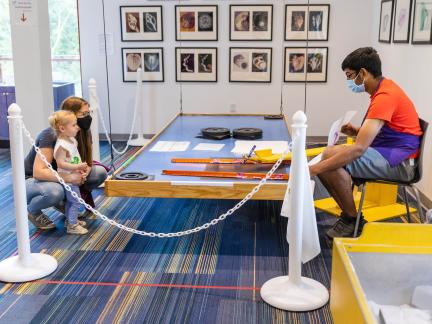
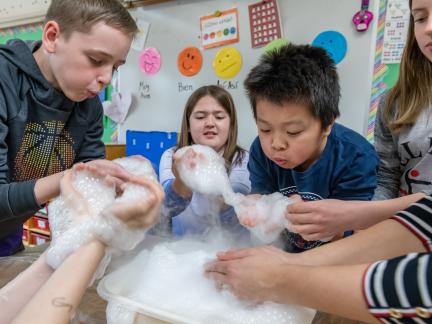
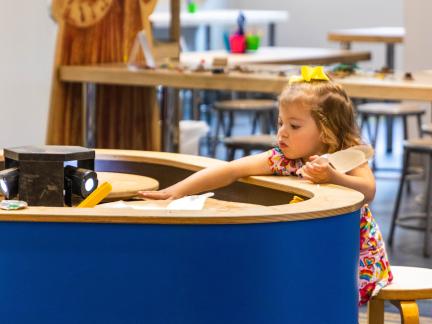
Simply put, play matters because it is how young children learn. It is as simple as that. Not learn in the “accumulation of information” sense, but more holistically, in the sense of finding their abilities and interests, learning about their environment, and sharing their world with others.
Play is how kids learn skills like exploration, experimentation, and persistence. Play is a chance to try out new situations, materials, or roles, and see what they are all about and how to navigate them. Play is about trying something new, seeing what the results may be, and then trying again to see whether anything changes.
Through play, kids develop skills like feeling their emotions or the emotions of others, understanding the impact they have on those around them, and finding ways to communicate how they feel or think. We are social beings, and play is the way we learn what it means to be part of a social dynamic, to manage our interactions in that setting. How to share, take turns, console, say no.
I could go on: risk-taking, confidence building, problem solving—all these skills are crucial to leading a complete and satisfying life, and all are rooted in early play experiences.
What we want for kids is great play. Play that is rich, varied, full of experiences: both solitary and with others, with found or repurposed objects, or just with the imagination. Great play is what every kid needs and every kid deserves. The cost to provide it is very low, and the cost of not having it is very, very high.

Comments
Add new comment